
Blog · October 16, 2026
How Much Does Pest Control Cost? A Pricing Guide for Operators
What homeowners pay for pest control in 2026 by visit, plan, pest and home size, and how pest control operators turn their cost per stop into prices customers can book.
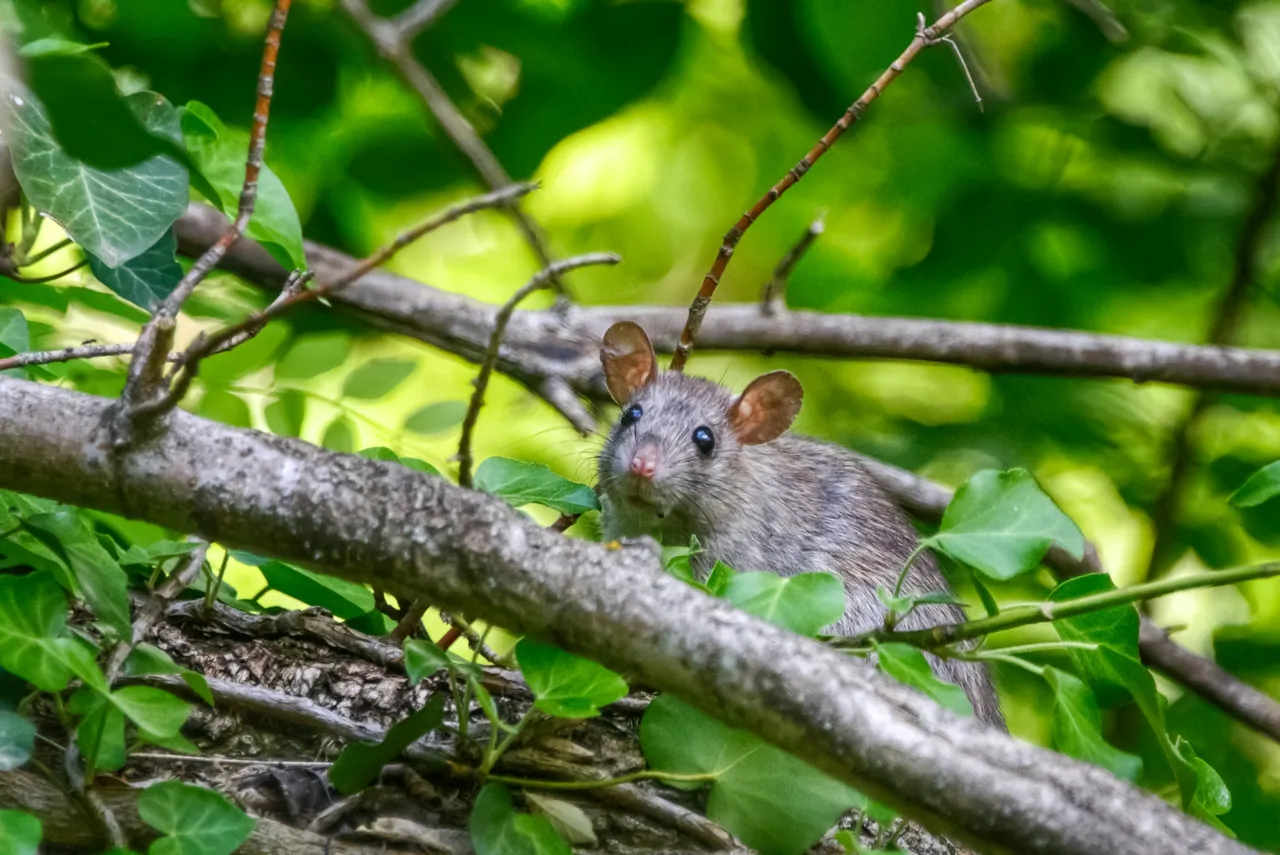
Most homeowners pay $100 to $300 for a one-time general pest treatment and $40 to $80 a visit on a monthly or quarterly plan, according to Housecall Pro’s 2026 pricing guide. This Old House puts the national average for a single appointment at $171. Termites, bed bugs and rodents cost more, and a whole-home fumigation can run into the thousands.
That’s the answer to the question customers type into Google. If you run a pest control business, the more useful questions are what your own price should be, and how quickly a customer can see it. This guide covers both: the market rates first, then the math for setting your prices and the price list that comes out of it.
Prices below were checked on 16 October 2026 against the sources linked in each section. Housecall Pro and This Old House updated their figures in 2026; Bob Vila’s are from 2024. Rates vary by region, so treat them as a range to check your own numbers against.
What customers pay for pest control in 2026
By service frequency
| Service | Typical price | Source |
|---|---|---|
| One-time general treatment | $100–$300 | Housecall Pro |
| Average single appointment | $171 | This Old House |
| Initial visit to start a plan | $150–$300 | Bob Vila |
| Monthly or quarterly plan, per visit | $40–$80 | Housecall Pro |
| Quarterly visit | $100–$300 | Bob Vila |
| Monthly visit | $40–$70 | Bob Vila |
Housecall Pro groups monthly and quarterly visits together at $40–$80. Bob Vila separates them: $40–$70 for a monthly visit and $100–$300 for a quarterly one. A quarterly visit has to hold for three months, so it usually takes longer and costs more than a monthly one.
By pest
| Pest | Typical price | Source |
|---|---|---|
| Ants | $100–$500 | This Old House |
| Cockroaches | $100–$600 | This Old House |
| Fleas | $100–$400 | This Old House |
| Mice and other rodents | $180–$600 | This Old House |
| Rats | $200–$600 | Housecall Pro |
| Wasps | $300–$700 | This Old House |
| Mosquitoes | $350–$500 | This Old House |
| Termites | $250–$1,000 | This Old House |
| Termites (full treatment) | $500–$3,000+ | Housecall Pro |
| Bed bugs | $1,000–$4,000 | This Old House, Housecall Pro |
Ants, roaches and fleas are routine work you can price in advance. Termites, bed bugs and wildlife depend on how far the problem has spread, so most operators inspect before they quote.
By home size
This Old House gives one-time treatment prices by square footage:
| Home size | One-time treatment |
|---|---|
| 1,000 sq ft | $250–$450 |
| 1,500 sq ft | $300–$550 |
| 2,000 sq ft | $350–$600 |
| 2,500 sq ft | $400–$675 |
| 3,000 sq ft | $450–$750 |
Bob Vila puts the increase at about $25 for every 1,000 square feet over 1,500. Either way, home size is the easiest way to scale a price. Customers already know it, and it tracks how long the job takes.
How to set your own pest control prices
Market ranges tell you whether you’re in the right neighborhood. They don’t tell you whether a visit makes money. That comes from your cost per stop.
1. Cost one stop
A stop costs more than the product you spray. Add up:
- the technician’s hourly wage, plus payroll taxes and insurance, for the time on site
- fuel, vehicle wear and the drive to the next stop
- chemicals and materials
- your share of overhead (software, licensing, phones, office and marketing), spread across the visits you run each month
- a reserve for the free callbacks you’ll do when pests come back between visits
ShiftFlow’s worked example for a 2,000 sq ft home shows how these add up:
| Cost | Initial treatment | Recurring visit |
|---|---|---|
| Technician labor ($40/hour) | $60 (1.5 hours) | $30 (45 minutes) |
| Chemicals and materials | $25 | $8 |
| Vehicle and travel | $15 | $15 |
| Overhead | $10 | $10 |
| Re-service reserve | $10 | $8 |
| Total cost | $120 | $71 |
| Price at a 35% margin | $185 | $109 |
2. Add your margin
The formula is price = cost ÷ (1 − margin). A $71 visit at a 35% margin is $71 ÷ 0.65 = $109.
Housecall Pro suggests 15–25% margins on standard residential work, and more on specialty jobs and add-ons. Real operators land in that range too: in a FieldRoutes interview, the general manager of a Pennsylvania pest company described a $100 service with $72 of costs, which leaves 28% gross profit. If your margin comes out below 15%, raise prices or tighten your route before you add more customers.
3. Watch the drive time
In the example above, chemicals for a recurring visit cost $8, while the vehicle and travel cost $15. For most route-based operators, the drive between stops is a larger cost than the product.
That changes how you price. A customer 25 minutes outside your route costs more to serve than one on your street. Set a service area, charge more outside it, or offer a lower price in neighborhoods where you already have stops.
4. Price the first visit separately
The first visit takes longer. It usually includes an inspection, an interior treatment and more product to knock down the existing population. In the example it costs $120 against $71 for a recurring visit, so it’s priced at $185 against $109.
Show both prices up front. A customer who sees $109 and then gets charged $185 for the first visit feels misled. One who sees “$185 for the first visit, then $109 every three months” doesn’t.
5. Put it on a price list by home size
Once you know your cost for a typical home, scale it by size. The table below shows the starting prices Sorvius loads for a pest control business. Every number can be edited to match your own costs.
| Home size | General pest control (per visit) | Initial treatment |
|---|---|---|
| Under 1,500 sq ft | $110 | $175 |
| 1,500–2,500 sq ft | $130 | $200 |
| 2,500–4,000 sq ft | $155 | $235 |
| 4,000+ sq ft | $185 | $275 |
These sit inside the market ranges above. The pest control pricing calculator runs this math for you, turning your rate and a home or lot size into an initial-visit and a per-visit plan price. Check them against your own cost per stop before you use them.
6. Price add-ons as flat amounts
Small extras are easy to sell when the customer sees them at the moment they book. Housecall Pro’s typical add-on prices:
| Add-on | Typical price |
|---|---|
| Rodent bait stations | $25–$75 |
| Wasp or hornet nest removal | $50–$150 |
| Flea or tick yard treatment | $75–$200 |
| Mosquito treatment, per visit | $50–$150 |
| Entry-point sealing (exclusion) | $100–$500+ |
To price one, take the extra minutes it adds, multiply by your hourly target, and round to a simple number.
7. Set a minimum
A small apartment can come out cheaper than a visit is worth once you add the drive. Set a minimum charge at or above your average cost for a standard visit, so no booking loses money.
Monthly, bi-monthly or quarterly?
Quarterly service covers seasonal pest pressure without a technician on site every few weeks, and it’s the plan most of the price guides above quote. Monthly service suits heavy pressure, such as cockroaches in warm climates, and costs less per visit: $40–$70, against $100–$300 for a quarterly visit, according to Bob Vila. Bi-monthly sits between the two.
Whatever you offer, show the price per visit and the yearly total side by side. In the example, the first year comes to $512: $185 for the first visit plus three visits at $109. That’s about $43 a month, which is easier to accept than a single $185 charge.
Show customers the price before they call
The question behind this article, “how much is pest control”, is searched thousands of times a month. People want a number before they pick up the phone. If your site says “call for a free inspection”, the homeowner who wants ants gone this week moves on to the company that shows a price.
You don’t need to publish every price. Put routine work online: general pest control, quarterly plans, mosquito treatments and add-ons. The customer picks the service and home size, sees the price and books.
Keep an inspection step for termites, bed bugs, wildlife and anything else that depends on how far the problem has spread, and take those as quote requests.
That’s how Sorvius works for pest control businesses. A customer on your website picks a service and their home size, sees your price, adds extras, chooses every three months, picks a date and saves a card. Each visit is charged to that card after it’s done, through your own Stripe account. You can try the pest control demo to see what your customers would see.
Frequently asked questions
How much is pest control per month?
Monthly plans usually cost $40 to $70 a visit. Quarterly visits usually cost $100 to $300, which works out to about $33 to $100 a month. A plan of $185 for the first visit and $109 every three months comes to about $43 a month in the first year.
How much is a one-time pest control treatment?
A one-time general treatment usually costs $100 to $300, and This Old House puts the average single appointment at $171. Larger homes, heavy infestations and specialty pests such as bed bugs or termites cost more.
Why does the first pest control visit cost more?
The first visit includes an inspection, an interior treatment and more product to bring an existing infestation under control. Follow-up visits maintain the barrier, so they’re shorter and cheaper.
How much should I charge for quarterly pest control?
Start from your cost per stop: labor, vehicle and travel, materials, overhead and a reserve for callbacks. Divide by one minus your target margin. A recurring visit that costs you $71 is $109 at a 35% margin, which sits inside the $100–$300 range Bob Vila reports for a quarterly visit.